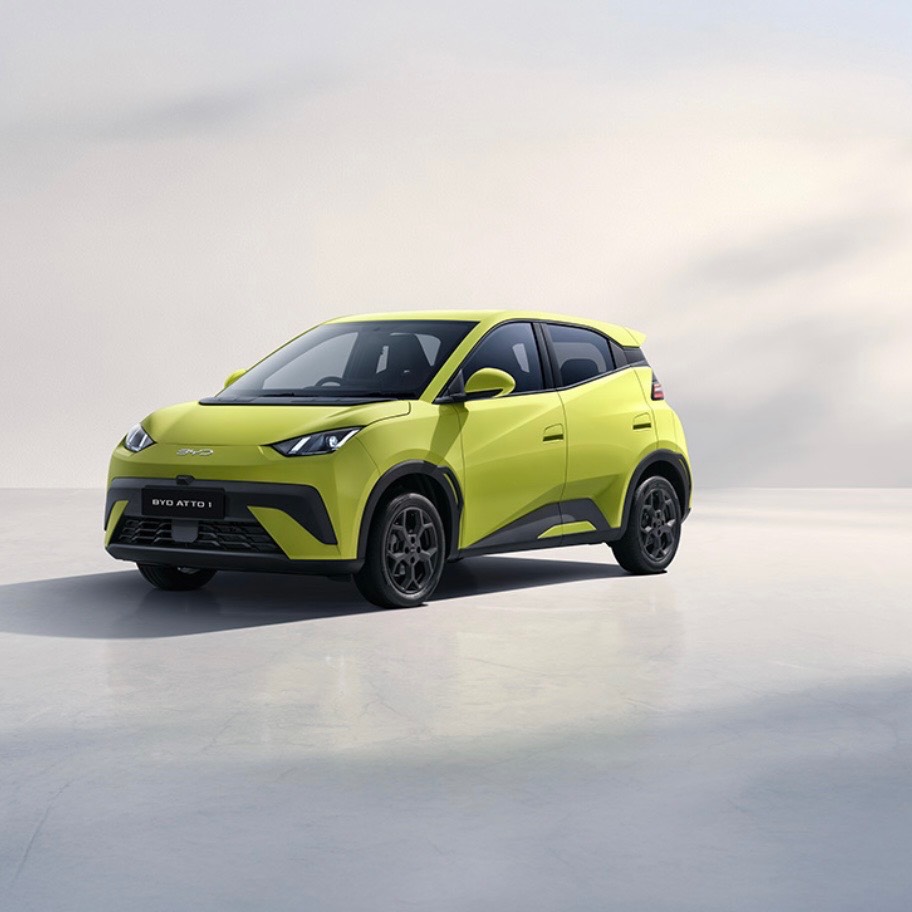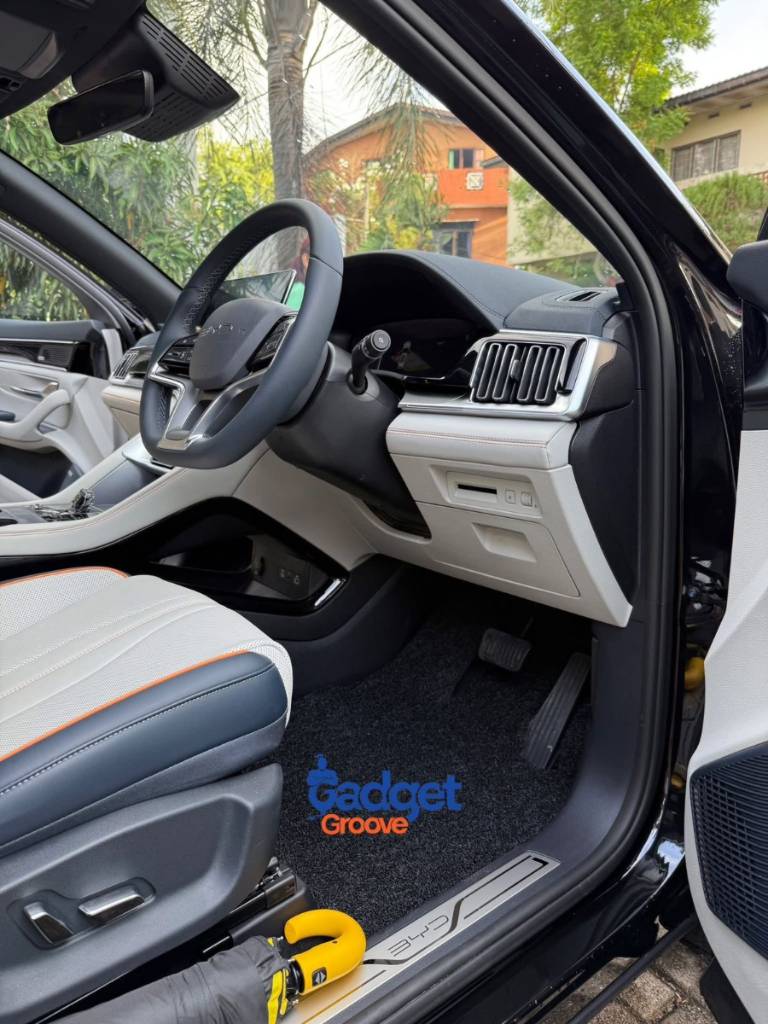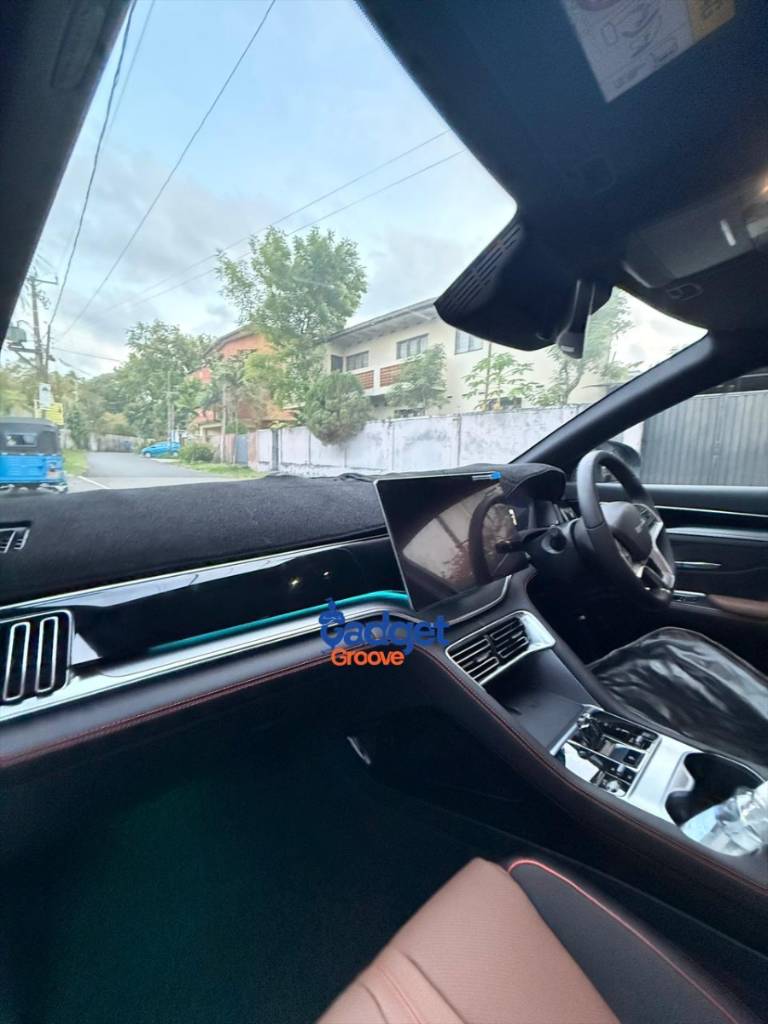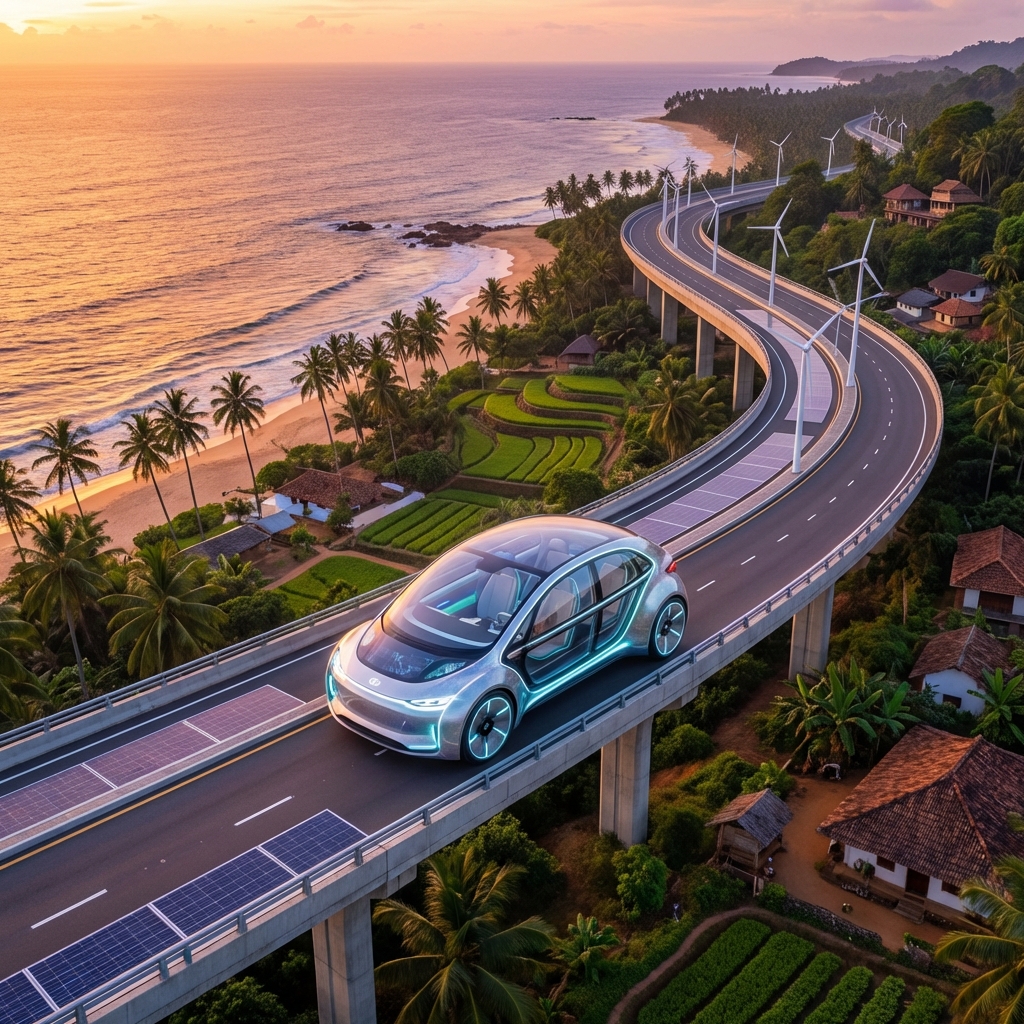
With the government's ambitious plans to electrify the nation's fleet, 2025 marks a turning point. Here is everything you need to know about new policies, tax benefits, and import regulations.
The Dawn of a New Era (නව යුගයක ආරම්භය)
Sri Lanka is standing at the precipice of a major transportation revolution. As we move into 2025, the government has solidified its commitment to a greener future, setting a goal to replace state-owned vehicles with electric or hybrid alternatives. But what does this mean for the average consumer?
Key Policy Shifts
The Ministry of Transport and Highways has rolled out a comprehensive National Policy on Electric Mobility. This isn't just about importing cars; it's about building an ecosystem.
- Tax Incentives: Significant duty waivers are expected for brand-new electric vehicles, making them competitive against petrol counterparts.
- Import Restrictions Lifted: After years of restrictions, the gates are opening for EVs, prioritizing them over combustion engine vehicles to manage fuel dependency.
"The shift to electric is not just environmental; it is an economic necessity for Sri Lanka to reduce its fuel import bill."
Infrastructure Development
One of the biggest concerns for Sri Lankan drivers is "Where will I charge?" (මම චාජ් කරන්නේ කොහේද?). The 2025 roadmap addresses this with a strategic partnership with private sector giants to install DC Fast Chargers every 50km on major highways.
What to Expect in 2026
By the end of this year, we anticipate a 40% increase in registered EVs. For prospective buyers, this is the time to research. The market is favorable, and early adopters will benefit from the initial wave of incentives.